
Louisville’s Lead-Based Paint Rules Explained
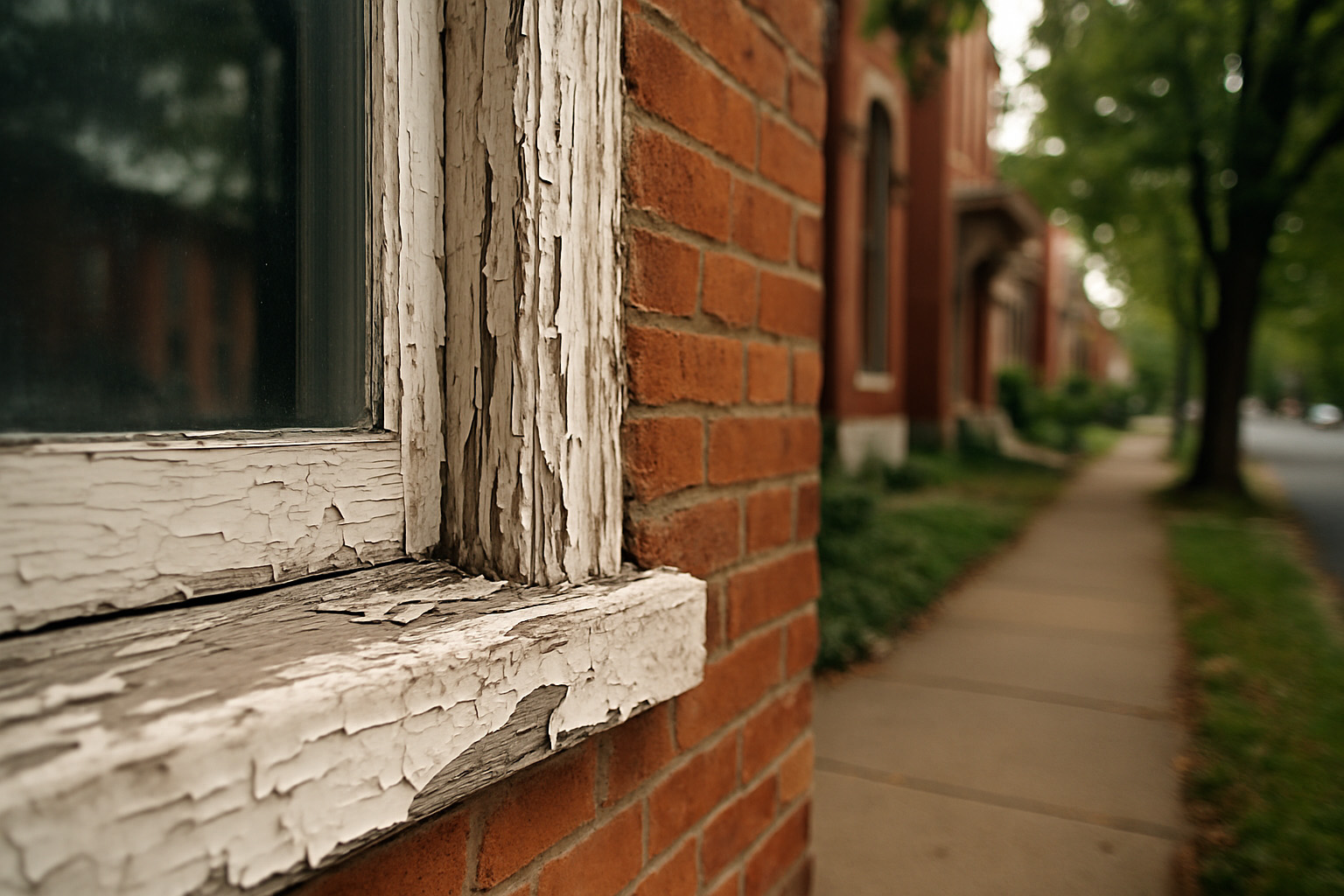
Louisville has a long housing history, and with its older building stock comes important responsibilities for owners and managers. Many homes, apartments, and multifamily buildings in the city were constructed before 1978, when lead based paint was banned for residential use. As this paint deteriorates, it can create lead contaminated dust that poses serious health risks to tenants, especially children, and to anyone performing repairs or maintenance.
In Louisville, lead requirements for rental properties come from several layers of law. Public housing agencies and any rental units that receive federal assistance must comply with the HUD Lead Safe Housing Rule, which requires evaluation, hazard control, ongoing maintenance, and specific actions when units are repaired or turned over. Privately owned rental properties that do not receive federal funding must still follow the EPA Renovation Repair and Painting Rule when disturbing lead paint, and they must meet Kentucky state health requirements and Louisville Metro Code Enforcement standards that address deteriorated paint and unsafe housing conditions.
These rules exist because hidden lead hazards can place tenants at risk, trigger housing code violations, and expose landlords to financial penalties and liability. Understanding which regulations apply to a property is essential for staying compliant and maintaining safe housing.
1. How It Started
Louisville has many homes built before 1978, and aging paint in these properties can create lead contaminated dust. The city first created a lead safety program for rentals in 2022, and in 2025 the rules were reorganized into the Property Maintenance Code. The requirements remain in place. Rental properties listed on the Louisville Metro Rental Registry must follow local lead safety rules, cooperate with inspections, obtain a lead risk assessment when required, and correct any hazards that are found. Noncompliance can result in fines and a public notation on the registry.
Lead hazards are not limited to the interior of a unit. Exterior paint from nearby properties can contaminate soil, and that soil can be tracked indoors on shoes, pets, and strollers. For landlords, understanding and addressing these risks is an important part of compliance and of keeping tenants safe.
2. What Changed in 2025
In 2025, Louisville updated its lead safety rules by repealing the prior stand alone lead ordinance and moving all requirements into the Property Maintenance Code. The new approach no longer requires every landlord to complete a proactive lead risk assessment for every pre 1978 unit. Instead, the city now uses a reasonable suspicion standard. This means inspections and required lead hazard evaluations are triggered when Metro inspectors observe conditions that suggest a lead hazard or when a complaint or other evidence gives the department reason to investigate. The Lead Safe Housing Registry remains part of the rental registration system, but enforcement now focuses on properties where risks are identified rather than on universal testing.
3. Where It Stands Now
The lead safety program is now part of the Louisville Metro Property Maintenance Code and is administered by the Louisville Metro Department of Public Health and Wellness. Pre 1978 rental properties that are registered with the city must comply with lead safety requirements when an inspector identifies conditions that raise reasonable suspicion of a lead hazard. When this happens, landlords may be required to submit a lead hazard risk assessment, a clearance report after work is completed, or documentation showing that hazards have been properly corrected. These documents are kept with the rental registry to show compliance. Violations can result in civil penalties, and fines generally begin around five hundred dollars, with higher penalties for continued noncompliance.
Lead hazards often come from places that landlords may not notice right away. Windows, doors, and trim pieces that stick or slam can grind old layers of lead based paint into fine dust. Even if a newer top coat is lead free, friction can still release particles from the older layers beneath. Keeping these components in good repair and addressing deterioration promptly is an important part of preventing lead dust in a rental home.
4. What a Lead-Hazard Risk Assessment Includes
A certified lead-hazard risk assessor inspects the property to identify any exposure risk. This detailed process includes:
Testing for lead-based paint on walls, windows, and trim
Collecting samples of dust and soil for laboratory analysis
Identifying any peeling or deteriorating surfaces
Recommending remediation steps if hazards exist
In Kentucky, these assessments must be completed by certified professionals under 902 KAR 48:020. After remediation, a Lead-Hazard Clearance is required to verify the home is safe.
5. Lead-Based Paint vs. Lead Hazard
Lead-Based Paint: Paint containing lead above regulatory limits (at least 0.5% by weight or 0.7 mg/cm²). 0.7 is a Louisville, KY specific level. The EPA uses a level of 1.0. If it’s intact and undisturbed, it may not pose an immediate risk.
Lead Hazard: A condition where lead exposure can occur — for example, chipping or peeling lead-based paint, lead-based paint on friction and impact surfaces, lead-contaminated dust, or soil near deteriorating exteriors.
Simply put: lead-based paint is what exists, while a lead hazard is what causes harm.
6. What You Should Do Now
If you own or manage pre 1978 housing in Louisville:
- Confirm that your rental is properly listed on the Louisville Metro Rental Registry and review any notices issued by Metro Code Enforcement.
- Respond promptly if the city identifies deteriorated paint, unsafe conditions, or any issue that creates reasonable suspicion of a lead hazard.
- If Metro orders a lead hazard risk assessment, hire a Kentucky certified lead risk assessor and submit the report by the required deadline.
- If hazards are found, complete the corrective work and obtain a clearance report showing that the unit is safe. Keep these documents for your records and for any future sale or rental.
- Follow the EPA Renovation Repair and Painting Rule whenever you or your contractors disturb painted surfaces in a pre 1978 structure, even if no local lead investigation has been triggered.
Why It Matters for Property Owners
Local compliance
Louisville Metro requires landlords to keep rental properties safe and in good repair. Lead hazards fall under this rule, and registered units must meet all local and state health standards.
Older housing focus
Most lead risks come from homes built before 1978.
Professional testing
A certified lead-hazard risk assessment identifies hazards you can’t see. Testing gives property owners clear results, actionable steps, proof of compliance, and peace of mind.
Clear documentation
Assessment reports, clearance letters, and proof of remediation show that you’ve met Louisville’s requirements and protect you if an inspection or complaint arises.
Louisville’s lead-safe housing ordinance is designed to protect both residents and property owners. By understanding your responsibilities and documenting each step, you can stay compliant, avoid penalties, and maintain safe, trustworthy housing for the community.

Get Expert Help from CMEC Environmental
Certified Assessments, Local Expertise
Lead hazards aren’t always visible — and compliance requirements can change quickly. If you own or manage older housing in Louisville or surrounding Kentucky communities, it’s your responsibility to understand potential risks before they become violations.
Our certified assessors perform detailed, independent lead-hazard risk assessments that meet city and state requirements. If remediation is needed, we’ll connect you only with qualified, third-party contractors so you can get the job done right.
Testing now protects your tenants, your investment, and your reputation.
CMEC Environmental provides certified lead-hazard risk assessments, clearance testing, and compliance support for Louisville and Kentucky property owners. We help landlords and developers meet local Lead-Safe Housing Ordinance requirements and maintain healthy, lead-free homes. Contact us for reliable testing, clear documentation, and expert guidance on Louisville lead regulations and Kentucky lead safety compliance.